
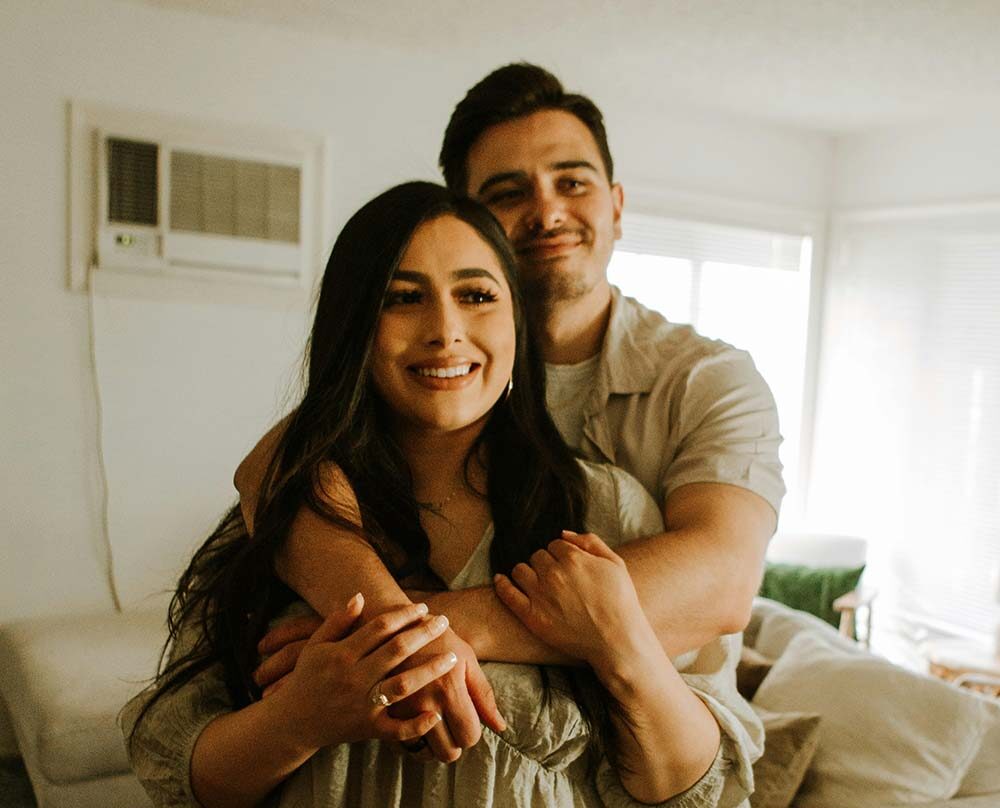
If you’re wondering about marriage counseling, you’re already moving toward hope, for your relationship, and maybe for your peace of mind, too. Marriage counseling is a safe, guided space where couples can talk honestly about difficult issues: the kind that linger after arguments or hang quietly in the air. For New Yorkers especially, with life buzzing all around and pressure to keep a brave face, it’s easy to feel alone when things aren’t working at home.
But you’re not alone. Many couples in the city find themselves facing exhaustion, fear about the future, or that nagging sense of disconnection, even when everything looks fine from the outside. Marriage counseling helps couples rebuild trust, tune up their communication, and heal emotional wounds, no matter the outside noise or demands. It’s about strengthening your partnership and reminding you both that hope and change are possible.
Understanding Marriage Counseling: Definition, Purpose, and Core Benefits
Marriage counseling isn’t just another heart-to-heart or a well-meaning friend’s advice after dinner. It’s a dedicated, structured process led by a trained professional, someone whose only agenda is helping you and your partner understand each other, find common ground, and work through what keeps you stuck.
Plenty of couples reach out for help because they’re feeling immense pressure: maybe it’s the shadow of divorce, or simply the heavy weight of constant miscommunication, bitterness, or loneliness. Others just want to stop feeling like roommates and rediscover what brought them together in the first place. Marriage counseling sets out clear goals, whether that’s rebuilding trust, solving specific recurring issues, or learning new ways to support one another.
Across New York and beyond, couples turn to marriage counseling for support, clarity, and fresh perspective. It’s not about picking sides or winning arguments. It’s about giving you both the tools to break old cycles, heal emotional wounds, and make real, lasting changes as a team. If you’re curious about whether this could help your relationship right now, you’re definitely not alone, lots of people are asking the same questions, looking for hope, and open to trying something different.
What Is Marriage Counseling? Defining the Process and Goals
Marriage counseling, sometimes called couples counseling or marriage therapy, is a form of professional guidance for couples who want to strengthen their relationship, resolve conflicts, or heal from specific challenges. Unlike having a heart-to-heart with a friend, marriage counseling is led by a licensed therapist trained specifically in relationship dynamics and communication. The aim isn’t just to “vent” but to work together, with support, toward practical solutions and a deeper connection.
The structure of marriage counseling starts with understanding each person’s perspective. Sessions often explore issues like recurring arguments, broken trust, lack of intimacy, or simply growing apart. The counselor creates a neutral space where both partners can share openly, even when it feels hard. Each couple identifies personalized goals for therapy, maybe avoiding divorce, building emotional intimacy, or managing stress from work and parenting. The counselor is part guide, part coach, helping you both see patterns that might be impossible to spot on your own.
This process stands apart from trying to “work it out yourselves” because it offers new tools, accountability, and impartial feedback. Marriage counseling is for couples at any stage, those on the brink of separation, or pairs who just want to reconnect before things spiral further. If you want more on how counseling fits into city life, check out We Rise NYC’s couples therapy page for real examples and support options.
The Role of Marriage Counselors and Therapists
A marriage counselor, the professional you’ll be working with, plays a crucial but often misunderstood role. They aren’t just referees keeping score in your arguments, nor are they just advice-givers telling you what to do. Instead, they’re highly trained mental health professionals (usually Licensed Marriage and Family Therapists, psychologists, or clinical social workers) who bring specialized expertise in relationship dynamics, communication, and emotional safety.
The counselor’s main job is to hold a neutral space where both partners feel seen and supported. They guide the conversation, help you notice stuck patterns, and gently challenge you each to share honestly, even when the truth is awkward or painful. Good counselors never take sides; their loyalty is to your relationship, not to one individual.
Beyond facilitating honest dialogue, marriage counselors offer strategies for conflict resolution, rebuilding trust, and fostering new habits that support deeper connection. Think of them as a coach, someone who knows when to step in and when to step back, who encourages you to do the hard work and gives you tools for practice beyond the session.
Benefits of Marriage Counseling for Couples
- Improved Communication: Counseling helps couples break old, unhelpful patterns and learn new skills for truly hearing each other. You’ll find new ways to talk about big feelings, daily frustrations, and sensitive topics, without spiraling into arguments.
- Better Conflict Resolution: A therapist can teach practical techniques for handling disagreements so tension doesn’t always lead to shouting matches or silent treatment. Couples learn how to solve problems together, even when they see things differently.
- Rebuilding Trust: Whether you’re recovering from broken promises or deeper betrayals, marriage counseling offers a path toward healing and regaining emotional safety. It’s possible to move past old wounds with support and guidance.
- Renewed Emotional and Physical Intimacy: Many couples rediscover closeness, affection, and even romance through therapy, learning to connect on both an emotional and physical level once old barriers start to crumble.
- Handling Everyday Stress and Big Life Changes: Counseling arms couples with the tools to handle stress from work, city life, parenting, or family, with more teamwork and less resentment. If you want to read about relationship issues common to NYC couples, try We Rise NYC’s relationship therapy page for down-to-earth ideas and support.
When to Seek Marriage Counseling: Common Signs and Triggers
Relationship struggles have a way of building up quietly. Most couples don’t wake up one day deciding things are “bad enough.” Instead, arguments start happening more often, or silence sets in where laughter used to live. It’s easy to question, are we just in a rough patch, or is this a sign we need help?
The decision to seek marriage counseling often comes after a string of difficult moments: constant bickering, growing emotional distance, ongoing disagreements about money, or even bigger shifts like moving, having a baby, or grieving a loss. Sometimes, it’s just a heaviness hanging over the apartment, you’re not fighting, but you’re not connecting either. In a city like New York, all these pressures are magnified by busy schedules, small spaces, and the drive to “have it together.”
This section highlights the most common signs that couples notice before reaching for professional support. Whether your concerns feel urgent, confusing, or quietly persistent, there’s no shame in acknowledging the need for help.
Signs You Might Need Marriage Counseling
- Constant Arguments: When it feels like every conversation turns into a dispute, over chores, kids, or the thermostat, it’s usually more than just a bad spell. Constant arguing, especially about the same topics, indicates underlying issues that aren’t being addressed directly.
- Emotional Distance or Feeling Like Roommates: Maybe you still share a bed, but not your heart. If the warmth, laughter, and emotional connection are gone, and you feel more like coexisting roommates, it’s a sign that intimacy needs repair.
- Broken Trust or Infidelity: Trust issues, stemming from cheating, lies, or simply feeling let down, can weaken the foundation of any marriage. If you can’t seem to rebuild safety on your own, outside help is almost always needed.
- Money Stress and Financial Fights: Disagreements about spending, saving, debt, or priorities can create ongoing stress and resentment. In NYC, the cost of living alone can push couples to the brink unless they find new ways to work as a team.
- Communication Breakdown: If talking leads nowhere, feels unsafe, or results in being ignored or misunderstood, it’s a clear sign that communication skills need strengthening.
- Lack of Physical Intimacy: A long-term decline in affection or sexual connection can make both partners feel rejected or unwanted, creating further distance.
- Unresolved Issues That Won’t Go Away: When certain problems keep resurfacing, even after promising you’ll move on, it usually means deeper work is needed to finally resolve them.
Life Transitions That Challenge Marriages
- Becoming Empty Nesters: When kids leave home, many couples discover how much their marriage has changed beneath the daily tasks of parenting. New space often brings old patterns to the surface, sometimes for the first time in decades.
- Retirement: Shifting from busy careers to more time at home changes routines, roles, and expectations. Without careful communication, stress and resentment can creep in.
- Career Changes or Job Loss: Sudden shifts in work, new jobs, layoffs, longer hours, bring financial and emotional challenges that can strain even steady partnerships.
- Grief and Loss: Losing a loved one, facing serious illness, or caring for aging family can stir up sadness, fear, and blame. Couples often need extra support to find each other during these vulnerable moments.
- Blended Families and Raising Children: Managing the dynamics of step-kids or adapting to a growing family can test connection and reveal unspoken differences in values and discipline.
Growing Apart and Reconnecting
Growing apart doesn’t always happen in a dramatic scene, it can sneak up gently, as daily routines, work stress, or outside pressures pull partners in different directions. The feeling might start small, like enjoying different hobbies or needing separate downtime, but over the years, the emotional distance can turn into a quiet ache of loneliness.
Counseling helps couples unravel the layers of separation, what caused the drift, what pain or needs got missed, and how to find common ground again. It’s not about pointing fingers or reliving every moment of drift; it’s about understanding, acceptance, and step-by-step reconnection. Even relationships that feel lost or stuck in a rut can rediscover emotional safety, trust, and shared dreams with patient, expert support.

How Marriage Counseling Works: Process, Techniques, and Session Structure
If you’ve never sat down with a marriage counselor, the idea of opening up in front of someone new can feel pretty intimidating. But knowing what happens, step by step, can settle a lot of those nerves. In real practice, marriage counseling follows a clear, supportive structure: from your very first hello all the way through practicing new habits at home.
The process usually starts with an initial assessment, then moves to setting shared goals and learning practical skills. Therapists pull from proven methods, like cognitive-behavioral strategies or emotionally focused therapy, to match you with tools that fit your unique story. Sessions are more than just talking; they’re opportunities to experiment, reflect, and try again, with expert guidance keeping things safe and productive.
What to Expect in a Marriage Counseling Session
- First Session: Initial Assessment: Most couples start by sharing their story, what brought them to counseling, what hurts, and their hopes for change. The counselor listens without judgment and asks questions to understand both partners’ views.
- Setting Goals Together: Once initial concerns are clear, the counselor invites you both to define what “success” looks like. Goals could range from communicating better or healing from trust breaches, to simply finding more joy together.
- Safe, Guided Conversations: Every session unfolds in a structured, supportive way. The counselor guides the dialogue to keep things productive, ensuring that each partner speaks and feels heard. They’ll help surface stuck points and introduce new tools for tackling them.
- Learning and Practicing New Skills: Sessions include hands-on exercises, like active listening, de-escalating arguments, or mapping out emotional triggers. Couples may be given homework, such as practicing a new communication habit or reflecting on recent successes/challenges.
- Review and Planning Next Steps: At the end of each session, the therapist reviews progress and checks in with both partners. Adjustments are made, and new action steps are set to keep momentum going.
Common Techniques and Approaches Used in Counseling
- Cognitive-Behavioral Strategies (CBT): Behavioral approaches to couples therapy use strategies such as communication skills training and behavioral change techniques to help partners manage conflict and improve their relationship. Research on behaviorally based couple therapies has found significant improvements in relationship satisfaction, with gains maintained for many couples over long-term follow-up (Baucom et al., 2015).
- Emotionally Focused Therapy (EFT): Focuses on understanding and expressing deeper emotions, strengthening emotional safety, and reshaping patterns of connection and withdrawal. EFT is also recognized as a well-established treatment for couple relationship distress (Doss et al., 2022).
- The Gottman Method: Based on decades of research, this approach teaches couples how to nurture friendship, manage conflict, and build shared meaning, all using practical, research-informed tools.
- Imago Relationship Therapy: Encourages partners to explore childhood wounds and unmet needs that play out in adult relationships, helping each partner feel seen and valued.
- EMDR and Trauma-Informed Tools: For couples dealing with past trauma, techniques like EMDR (Eye Movement Desensitization and Reprocessing) help process old pain so it doesn’t keep hijacking the present.
The Counselor’s Role and Responsibilities
Marriage counselors don’t just sit there nodding; they make sure each partner feels heard, respected, and emotionally safe. They know how to steer heated conversations back to calmer ground and prevent one person from dominating or retreating.
The counselor actively defuses blame, keeps the conversation balanced, and challenges both partners in ways that help, not harm, the relationship. Their role is to shine a gentle light on blind spots, encourage honest vulnerability, and make sure no one feels ganged up on or pushed aside.
Marriage Counseling vs. Alternatives: Couples Therapy, Premarital Counseling, and More
Therapy lingo can be confusing. Is “marriage counseling” different from “couples therapy?” Where does premarital counseling fit in? Can family or individual therapy tackle the same issues? Each path offers its own benefits, and the best fit depends on where you are in your relationship and what you hope to gain from support.
This section untangles the differences so you can choose the right match, whether you’re thinking ahead before tying the knot, tackling specific conflicts after years together, or facing overlapping challenges with kids or mental health. Understanding your options means you don’t have to guess or hope for the best; you can make an informed decision and get the help that aligns with your unique journey.
Marriage Counseling vs. Couples Therapy: What’s the Difference?
Marriage counseling typically focuses on issues faced by couples in long-term, committed relationships, especially those legally married or deeply partnered. The aim is often to repair, strengthen, or sometimes decide the future of the partnership. Couples therapy is a broader umbrella, it includes unmarried, dating, or even LGBTQ+ couples working through relational challenges. Therapists might customize methods based on where you are in your relationship, family stage, or recent crises.
What Is Pre-Marriage Counseling and Who Should Consider It?
Pre-marriage or premarital counseling is a proactive process supporting couples before they say “I do.” It helps partners explore values, spot potential trouble spots, and strengthen their connection for the journey ahead. Far from just crisis prevention, this work helps couples build a foundation in communication, conflict resolution, and shared goals while there’s still time for gentle tweaking, not just repair.
Other Related Therapies: Family and Individual Counseling
Family therapy brings in more than just the couple, it’s ideal when parenting struggles, blended families, or multigenerational tension add layers to your challenges. Sometimes, individual therapy is also necessary, especially when personal struggles with depression, anxiety, trauma, or other mental health issues play a role in the relationship. Combining marriage counseling with individual or family sessions offers a holistic approach: supporting each partner and the whole system.

Effectiveness, Challenges, and Realistic Outcomes of Marriage Counseling
One of the most common questions couples ask is, “Does marriage counseling actually work?” The answer isn’t a simple yes or no. Research clearly shows that marriage counseling often brings real, positive changes. But success depends on many things, timing, motivation, the specific issues at play, and the willingness of both partners to try new ways of relating.
No one should expect overnight miracles. Progress looks different for every couple: sometimes it’s healing old wounds and staying together, sometimes it’s finding clarity about whether to separate, and other times it’s simply learning to communicate better even if the big problems aren’t all solved. Setbacks are part of the process; two steps forward and one back is perfectly normal. The goal is building skills and confidence for lasting change after therapy ends.
Does Marriage Counseling Work? Evidence and Success Rates
Research shows that marriage counseling can be very effective, especially when couples seek help before problems become deeply entrenched. A large meta-analysis of 58 studies involving 2,092 couples found that couple therapy produced substantial improvements in relationship satisfaction, communication, emotional intimacy, and partner behaviors, with gains generally maintained over follow-up (Roddy et al., 2020). The best results come when both partners are motivated and open to change. Realistic expectations, commitment to practice, and the right therapist all make a big difference. Success doesn’t always mean “happily ever after,” but it does mean greater clarity, better skills, and often a much healthier relationship, whatever the future holds.
Progress, Setbacks, and Maintaining Gains
- Progress Isn’t Linear: Growth in therapy often happens in spurts, not a straight climb up. Some weeks, communication clicks and things feel good; other times, old habits resurface. Don’t let setbacks convince you therapy “isn’t working.” It’s part of building real, lasting change.
- Homework and Practice Activities: Couples who practice new skills between sessions make the biggest gains. This might mean trying out different communication tools, setting aside time for emotional check-ins, or working through a tough topic step-by-step with structured support from the therapist.
- Problem-Solving Strategies: Counseling sessions teach how to recognize warning signs, like escalating conflicts or silent distance, before they grow. Couples learn to manage rather than avoid or explode during disagreements, building confidence in facing challenges together.
- Relapse Prevention and Maintenance: Long-term success depends on sticking with the tools learned after therapy ends. This could include routine check-ins as a couple, scheduling periodic booster sessions when life gets rough, or revisiting written agreements before old patterns settle back in.
- Celebrating Small Wins: Progress can sneak up, less time arguing, more laughter, or feeling understood in ways that felt impossible before. Naming and celebrating these changes keeps motivation high and gives every couple hope, even during the tough spots.
When Counseling May Not Save a Marriage
Sometimes, marriage counseling leads couples to realize they can’t or shouldn’t stay together. In these cases, the therapist gently supports discernment, helping both partners clarify their needs, values, and options. This isn’t failure; it’s a different kind of caring. For many, therapy makes it possible to separate with much less hurt or confusion, to protect any kids involved, or simply to move forward with compassion and dignity. Every outcome deserves support and respect.
Practical Guidance: How to Prepare, Choose a Therapist, and Succeed in Counseling
Once you’ve decided to try marriage counseling, knowing how to prepare, and how to find the right therapist, can make all the difference. This section gives hands-on tips for getting started: from talking with your partner about therapy to picking a licensed professional you both trust. It covers what you can do ahead of time to set expectations, reduce nerves, and make the most of your investment in change.
How to Prepare for Marriage Counseling
- Clarify Your Hopes and Concerns: Take time to reflect on what you want to change and where you feel stuck. Share this with your partner if you can.
- Set Realistic Expectations: Remember, progress takes time, healing doesn’t happen overnight. Get ready for tough conversations; that’s where real breakthroughs happen.
- Talk to Your Partner: If your spouse is hesitant about counseling, gently explain your reasons and listen to their worries. Share that you don’t expect instant magic, just support for real change.
- Handle Logistics in Advance: Coordinate session times around both schedules. Make sure you can be present, mentally and physically, by planning for privacy and minimizing distractions (especially if sessions are online).
How to Choose the Right Marriage Counselor or Therapist
- Check Credentials: Look for a licensed marriage and family therapist or a counselor with specialized relationship training. The right credentials mean expertise in your specific concerns.
- Consider Specializations: If you’re dealing with infidelity, trauma, or blended family concerns, find someone with experience working in those areas.
- Prioritize Comfort and Fit: Schedule a consult call if possible. Both partners should feel safe, respected, and understood by the therapist, you’ll be sharing deeply personal things, so trust is essential.
- Review Practical Details: Make sure the counselor’s availability, insurance acceptance, and session format (virtual or in-person) match your needs.
Conclusion
Marriage counseling is more than just a last-ditch effort, it’s a powerful tool for renewal, understanding, and lasting growth, no matter where your relationship stands today. By reaching out, you’re showing tremendous courage and care for yourself and your partner. Whether you’re working to rebuild trust, solve persistent problems, or simply rediscover connection, support is within reach. Every couple’s story is different, but every couple deserves hope, clarity, and the chance for meaningful change. When you’re ready to take that first step, know you’re not alone, and brighter days can truly be ahead.
Frequently Asked Questions
Is marriage counseling only for couples considering divorce?
No. While some seek counseling as a last resort, many couples use it proactively to strengthen their bond, improve communication, or navigate life changes together. Therapy is valuable at any stage, whether you’re facing a crisis or want to deepen a good relationship before problems take root.
How long does marriage counseling usually take?
The timeline varies. Some couples see improvement in a handful of sessions; others benefit from regular meetings over several months. Progress depends on your specific goals, the challenges involved, and how consistently you practice new habits between sessions. Your therapist will help adjust the plan as you move forward.
Can marriage counseling help if only one partner is willing to go?
It’s always best when both partners participate. Still, one willing partner can make important changes, especially by improving communication habits and addressing their own triggers. Sometimes, individual sessions are a good starting point to pave the way for joint meetings in the future.
Are virtual marriage counseling sessions as effective as in-person ones?
Yes, for most couples. Virtual counseling offers flexibility, accessibility, and comfort, especially in busy or high-stress environments like NYC. Therapists use the same evidence-based techniques online as in-person, and many clients find they can open up more easily from the comfort of home. Always choose the format that feels safest and most convenient for you.
References
- Roddy, M. K., Walsh, L. M., Rothman, K., Hatch, S. G., & Doss, B. D. (2020). Meta-analysis of couple therapy: Effects across outcomes, designs, timeframes, and other moderators. Journal of Consulting and Clinical Psychology, 88(7), 583–596.
- Doss, B. D., Roddy, M. K., Wiebe, S. A., & Johnson, S. M. (2022). A review of the research during 2010–2019 on evidence-based treatments for couple relationship distress. Journal of Marital & Family Therapy, 48(1), 283–306.
- Baucom, B. R., Atkins, D. C., Rowe, L. S., Doss, B. D., & Christensen, A. (2015). Prediction of treatment response at 5-year follow-up in a randomized clinical trial of behaviorally based couple therapies. Journal of Consulting and Clinical Psychology, 83(1), 103–114.