Virtual reality therapy represents an innovative approach within modern mental health care, offering unique ways to support healing. By integrating advanced technology into clinical practice, we can help individuals navigate complex challenges safely and effectively. This method transforms how specialists approach various conditions, providing a controlled setting for clients to process difficult emotions and experiences.
Understanding Virtual Reality Therapy
Definition of Virtual Reality Therapy
Virtual reality therapy is a specialized clinical intervention that utilizes computer-generated environments to assist individuals during sessions. Through this modality, clients engage with interactive digital scenarios designed to target specific psychological concerns. We find that this approach bridges the gap between imagination and real-world exposure, making it a valuable tool in comprehensive mental health treatment.
History and Development of VR Technology
The journey of virtual reality technology began decades ago primarily within gaming and flight simulation industries before researchers recognized its clinical potential. Over the years, hardware became more accessible and software grew increasingly sophisticated, allowing developers to build realistic simulations tailored for psychological healing. Today, we see sophisticated systems that offer high-fidelity graphics and responsive tracking, significantly enhancing the depth of virtual reality therapy.
How Virtual Reality is Used in Therapy
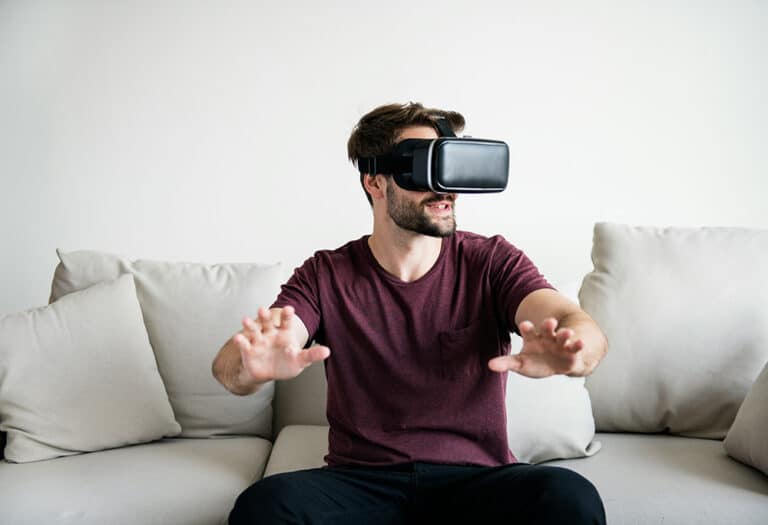
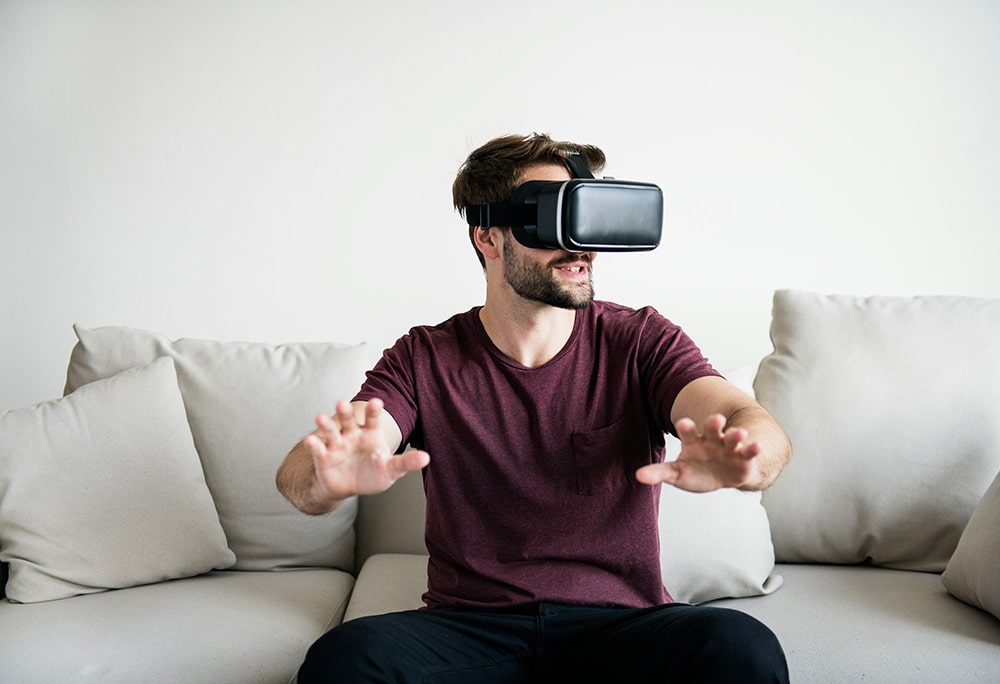
In modern practice, professionals use virtual reality to simulate challenging scenarios that might be difficult to recreate in a standard office setting. Clients might wear a specialized headset to enter a carefully controlled virtual world where they can confront specific triggers at their own pace. This application allows us to integrate elements of cognitive therapy directly within interactive scenarios, fostering meaningful behavioral changes.
How VR Therapy Works
Mechanisms of Virtual Reality Exposure Therapy
Virtual reality exposure therapy draws on established principles of exposure-based treatment, including inhibitory learning, through which individuals develop new associations that reduce the influence of previously learned fear responses (Craske et al., 2014). When individuals repeatedly confront their triggers within a safe digital space, their physiological anxiety responses gradually decrease. We rely on these evidence-based mechanisms to help clients build resilience against conditions like social anxiety disorder and various specific phobias.
Creating Immersive Simulations for Treatment
Developing immersive simulations requires careful attention to psychological needs and technical detail to ensure realistic and supportive scenarios. Clinicians and developers work together to design environments that accurately reflect real-life situations, ranging from a crowded room to a high-altitude setting for a fear of flying. These engaging spaces allow individuals to practice coping skills actively while receiving real-time guidance from us.
Technological Requirements for VR Therapy
Executing these advanced interventions requires a reliable VR system managed by a trained professional. To provide a seamless experience for every client, our setup includes:
- a comfortable headset
- motion sensors
- specialized software
Understanding these hardware needs helps individuals feel more prepared and confident before starting their journey with virtual reality therapy. At our practice, Virtual Reality Therapy in NYC is available through secure online sessions, allowing clients to use a compatible VR headset from home while receiving guidance from a therapist. We adjust the intensity of each virtual experience based on individual comfort and readiness, helping clients approach challenging situations at a manageable pace.
Benefits of Virtual Reality Therapy
Evidence-Based Benefits for Mental Health
Research demonstrates that virtual reality exposure therapy can effectively reduce symptoms of anxiety and related disorders, with clinical outcomes comparable to traditional in-person exposure therapy (Carl et al., 2019). We observe that utilizing a virtual environment helps clients process trauma and distress with remarkable neurological engagement. This evidence-based approach allows individuals to practice coping strategies within a controlled digital space, ultimately supporting meaningful recovery and long-term emotional well-being.
Advantages Over Traditional Therapy Approaches
Virtual reality exposure therapy offers a controlled environment for practicing exposure to anxiety-provoking situations and has demonstrated effectiveness comparable to real-world exposure therapy for social anxiety disorder (Bouchard et al., 2017). We find that this technology provides a powerful bridge for clients who struggle to visualize distressing scenarios during standard talking sessions. By integrating immersive virtual simulations into mental health treatment, we can help people face challenging triggers without leaving the safety of the office.
Enhancing Patient Engagement with VR
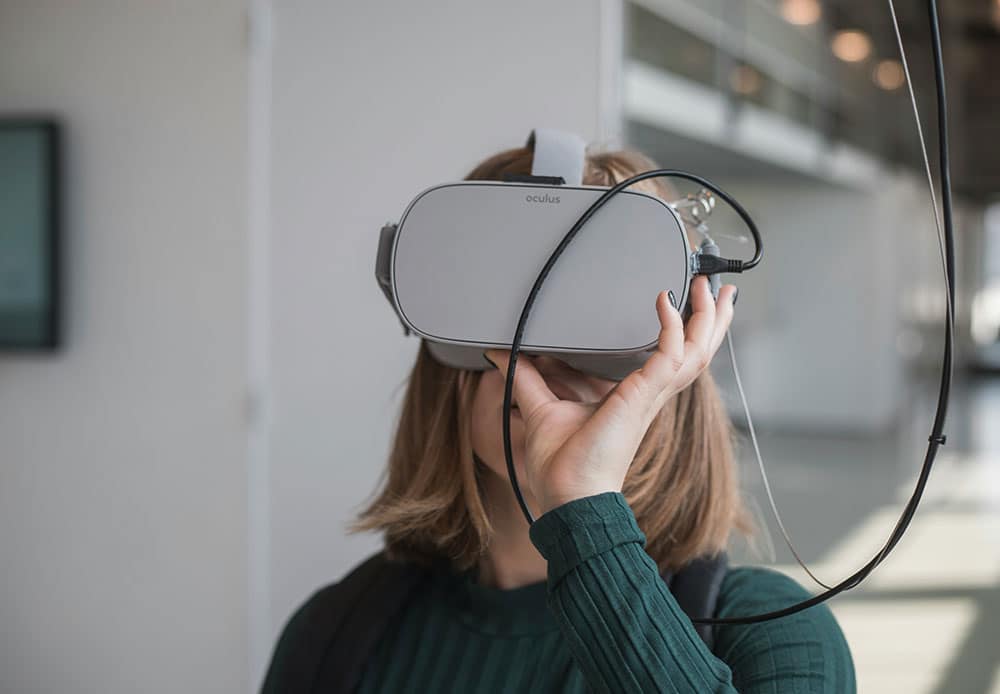
Keeping clients motivated throughout the healing process is essential, and incorporating a modern VR headset often increases active participation during sessions. When individuals put on the equipment, they experience a compelling virtual world that captures their attention and encourages deeper emotional involvement. We notice that this interactive format transforms passive discussion into dynamic practice, making therapeutic interventions far more engaging and memorable.
Applications of Virtual Reality Therapy
Treatment for Anxiety Disorders
Addressing anxiety disorders requires careful exposure to triggers, and utilizing virtual reality provides an ideal medium for gradual desensitization. We regularly apply these specialized VR interventions to help clients navigate overwhelming worry and panic responses in a structured manner. Through guided practice inside a safe digital simulation, individuals learn to regulate their nervous systems and reduce overall symptom severity.
Managing Phobias through VR
Virtual reality exposure therapy can help individuals manage specific fears, including fear of flying, by providing structured opportunities to confront anxiety-provoking situations in simulated environments (Rothbaum et al., 2006). Clients can safely board a simulated airplane or stand before a virtual audience to confront their phobia head-on. This targeted use of VR allows us to monitor physiological reactions and guide individuals toward lasting confidence.
Support for Post-Traumatic Stress Disorder
Supporting individuals with post-traumatic stress disorder often involves processing painful memories, an area where exposure therapy for PTSD proves exceptionally helpful. By implementing virtual reality in the treatment plan, we can recreate context-specific scenarios that facilitate safe trauma processing. This method allows clients to revisit difficult experiences at their own pace, guided by professional support every step of the way.
Addressing Social Anxiety Disorder
Navigating social anxiety disorder can severely limit daily functioning, making social interactions feel daunting and insurmountable. We utilize specialized virtual environments to simulate common social gatherings, allowing clients to practice conversation and eye contact comfortably. This controlled exposure helps individuals build social confidence and reduces the distress associated with everyday interpersonal communication.
Effectiveness and Limitations of VR Therapy
Assessing the Effectiveness of Virtual Reality Therapy
When evaluating the clinical outcomes of virtual reality therapy, research consistently shows that utilizing virtual reality technology yields impressive results for various psychological concerns. We find that implementing a virtual environment during virtual reality exposure therapy allows individuals to process distress with heightened neurological engagement compared to traditional talk therapy alone. This evidence-based approach helps us treat anxiety disorders and post-traumatic stress disorder by allowing clients to confront their triggers safely. As we assess progress, we notice that patients who embrace a VR headset often experience faster habituation and more durable coping skills during mental health treatment.
Potential Limitations and Challenges
Despite its numerous advantages, integrating a VR system into clinical work comes with specific challenges and limitations that we must carefully consider. These important factors include:
- not every client feeling comfortable using a VR headset, with some individuals experiencing physical side effects like motion sickness or dizziness during immersive simulations; and
- relying solely on virtual reality interventions without integrating standard cognitive therapy, which may overlook important emotional nuances.
We recognize that while the use of virtual reality technology is a powerful tool, it requires careful screening, professional guidance, and a tailored treatment plan to ensure safety and efficacy for every unique client.
Who May Benefit Most from VR Therapy?
Individuals struggling with specific conditions, such as a severe phobia, public speaking anxiety, or a persistent fear of flying, often experience the most profound improvements through these immersive methods. We see remarkable progress when applying VR therapy for clients whose symptoms make it difficult to visualize distressing scenarios during standard office sessions. By offering a controlled digital space to treat anxiety and related challenges, we provide a welcoming pathway for people ready to face their triggers. Ultimately, anyone seeking an engaging, structured complement to their mental health care journey may find that virtual reality interventions significantly accelerate their healing process.
Conclusion
Virtual reality therapy offers a transformative way to engage in mental health treatment, blending advanced technology with proven clinical strategies. By utilizing immersive simulations, we can help you safely navigate challenges like anxiety and trauma while building lasting resilience. Exploring these innovative tools opens up new possibilities for personal growth and recovery.
If you are curious about incorporating these modern methods into your healing journey, the therapists at We Rise NYC offer online mental health care for individuals across New York State. Exploring our approaches and reaching out for a consultation can be a meaningful next step toward understanding what support may be right for you.
Frequently Asked Questions
What types of mental health conditions can VR therapy treat?
Virtual reality therapy can effectively address various anxiety disorders, phobias such as a fear of flying or public speaking anxiety, and post-traumatic stress disorder. When we use virtual reality technology within mental health care, we provide a controlled virtual environment to help clients treat anxiety and process trauma safely during clinical sessions.
Is virtual reality therapy covered by insurance?
Insurance coverage for virtual reality therapy depends heavily on your specific provider, policy details, and how they categorize specialized mental health treatment. Because insurance guidelines constantly evolve, we always recommend contacting your provider directly to verify coverage for immersive clinical interventions and related outpatient services before starting.
How long does a typical VR therapy session last?
A typical session involving a VR headset usually lasts between forty-five and sixty minutes, mirroring the standard duration of traditional appointments. We carefully pace the exposure work inside the virtual world to ensure you never feel rushed or overwhelmed while navigating your personalized treatment plan.
How can I find a therapist who uses virtual reality therapy?
Finding a qualified specialist who incorporates virtual reality therapy into their practice involves searching for clinical providers who specialize in modern exposure modalities and advanced mental health care. You can review professional directories or reach out directly to practices that explicitly highlight digital interventions and immersive tools on their websites.
How do clinicians ensure emotional safety during immersive sessions?
We maintain continuous verbal and visual communication with you throughout the entire virtual simulation. You remain in complete control, and we can pause, remove the headset, or alter the environment instantly if distress becomes overwhelming. Your emotional and physical safety always remains our primary focus during every exercise.
Is virtual reality therapy safe for everyone?
Virtual reality therapy is generally safe, but it may not be suitable for everyone. We carefully evaluate each client’s medical and psychological history before recommending any immersive interventions to ensure the technology aligns well with your specific clinical needs and physical comfort. Specifically, this therapy might be restricted for individuals with:
- Certain neurological conditions
- Severe vertigo
- Specific psychotic disorders
Does wearing a headset cause motion sickness?
Some individuals may experience mild motion sickness or dizziness while using a VR headset, similar to car sickness. Fortunately, modern hardware and high refresh-rate software have significantly minimized these physical side effects. We monitor your comfort closely throughout every session and can adjust settings or pause immediately if any discomfort arises.
How many sessions are typically required to see results?
The number of sessions varies widely depending on your specific goals, the complexity of your symptoms, and the condition being treated. Some clients notice meaningful improvements within a few targeted sessions, while others benefit from a longer course of treatment. We collaborate with you to create a personalized timeline that supports your unique pace and recovery objectives.
Can VR therapy replace traditional talk therapy?
Virtual reality interventions are designed to complement and enhance standard therapeutic approaches rather than replace them entirely. The core of our work still relies on strong therapeutic relationships, cognitive processing, and emotional support. We integrate immersive technology selectively to deepen the work you are already accomplishing during conversation-based sessions.
References
- Carl, E., Stein, A. T., Levihn-Coon, A., Pogue, J. R., Rothbaum, B., Emmelkamp, P., Asmundson, G. J. G., Carlbring, P., & Powers, M. B. (2019). Virtual reality exposure therapy for anxiety and related disorders: A meta-analysis of randomized controlled trials. Journal of Anxiety Disorders, 61, 27–36.
- Craske, M. G., Treanor, M., Conway, C. C., Zbozinek, T., & Vervliet, B. (2014). Maximizing exposure therapy: An inhibitory learning approach. Behaviour Research and Therapy, 58, 10–23.
- Bouchard, S., Dumoulin, S., Robillard, G., Guitard, T., Klinger, É., Forget, H., Loranger, C., & Roucaut, F. X. (2017). Virtual reality compared with in vivo exposure in the treatment of social anxiety disorder: A three-arm randomised controlled trial. The British Journal of Psychiatry, 210(4), 276–283.
- Rothbaum, B. O., Anderson, P., Zimand, E., Hodges, L., Lang, D., & Wilson, J. (2006). Virtual reality exposure therapy and standard (in vivo) exposure therapy in the treatment of fear of flying. Behavior Therapy, 37(1), 80–90.